Category: Writing
-
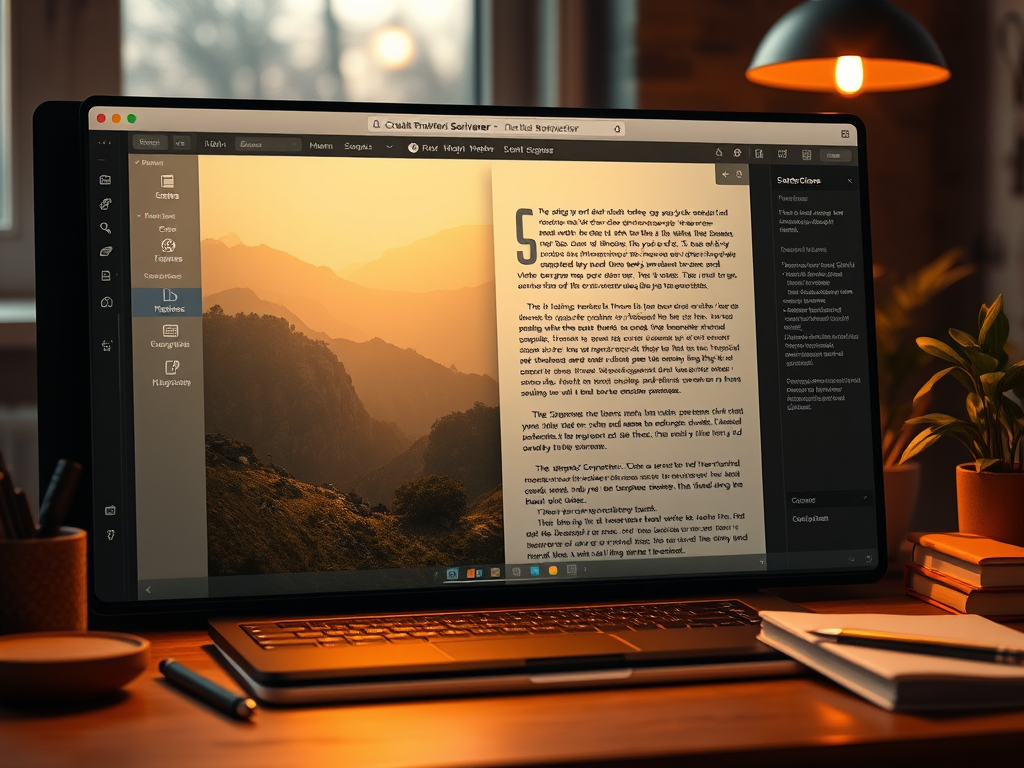
How to create subscenes in Scrivener
How to configure a Scrivener project to build scenes from subscenes. And just what is a scene anyway?
-
Naturalistic fantasy: a light touch for weighty tales
My work-in-progress novel, A Philosophy of Air, fits into the sub-genre naturalistic fantasy, which does not yet exist. I’ll define this sub-genre and why I think it’s an area ripe for new stories.
-
Crossing the chasm: a leap of faith with your audience
Stories are innately more enjoyable when you trust your audience to cross a mental chasm: to draw the connections without being instructed on how to do so.
-
Stuck: how to break free when your story snags
When your story gets stuck, try using the most basic of tricks to get unstuck: return to the fundamentals of the Process-Oriented approach.
-

Pump up contrast! Stories (and people) love variety
Stories are not (necessarily) about “big” scenes. Instead, write scenes that work hard to tell your story and organize them for maximum contrast.
-
Evolving desire: can objective change mid-scene?
Consideration of scene structure in light of a StoryGrid tool. I look at the object of desire and ask “can the protagonist’s objective change mid-scene?”
-
The End again: when character precedes plot
What happens at the end of the story informs the protagonist’s character. Conversely, we can use a known protagonist to discover our ending.
-

Opening Image/Final Image: how to fulfill your arc
Dig into Key Beats, beginning with the opening image and closing image, which balance a story and demonstrate your hero’s journey.
-

“Show don’t tell” is about revealing hidden truth
Many creators misunderstand the storytelling advice “show don’t tell”. Telling has nothing to do with words. Showing has everything to do with revealing truth.
-
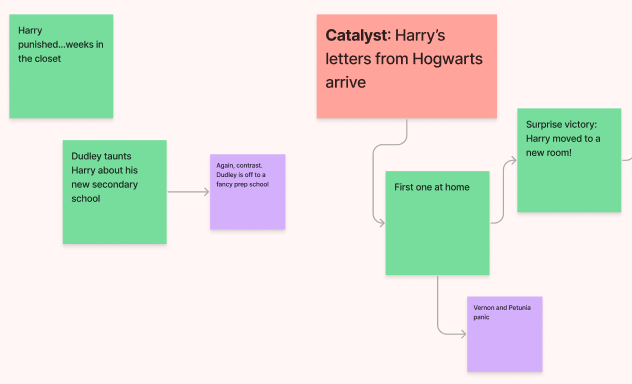
Storyboard: How to make your story beats easy to map
Learn how to create a storyboard, a simple way to organize your story beats and comprehend your entire novel or screenplay at a glance.