Category: Writing
-
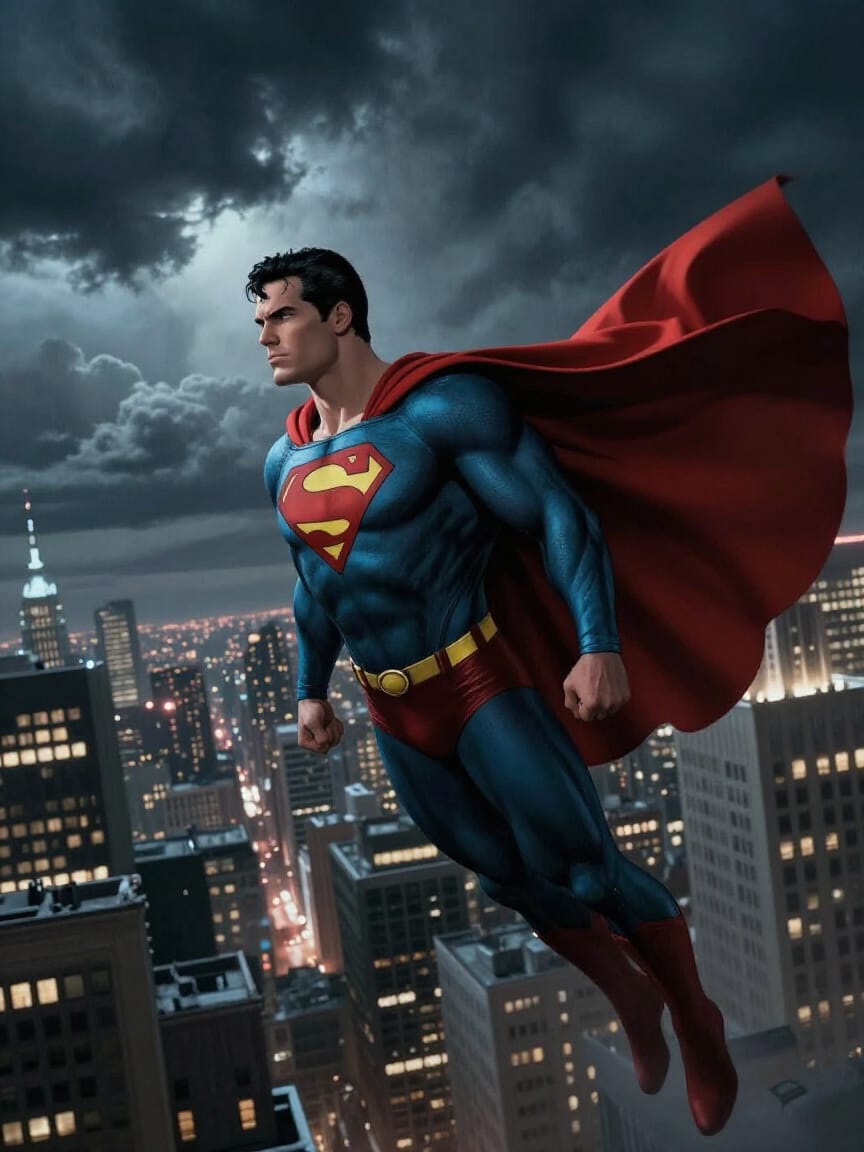
It’s harder to be the good guy
Why do we need the hero to be the underdog? Some of this is dramatic necessity, but it also expresses a deep sense of something we all know to be true.
-
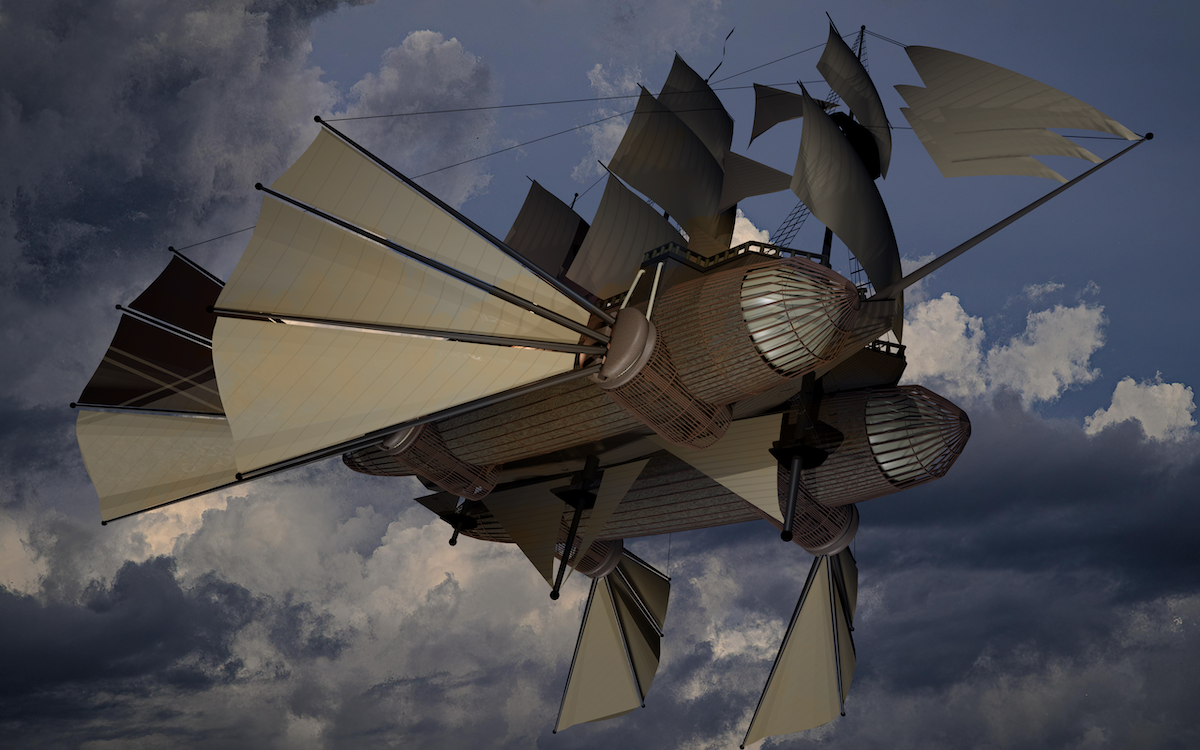
Naturalistic fantasy: a light touch for weighty tales
What is “naturalistic fantasy?” How does it differ from existing fantasy sub-genres? And how can it change what a fantasy story can deliver?
-

How to write a book: one sentence a day
Every day, I write at least one sentence of my novel. This consistency is the key to progress.
-
How to make scenes work harder, part II
For a story to succeed, the individual scenes need to work hard. Here are some tools I use to achieve that goal.
-
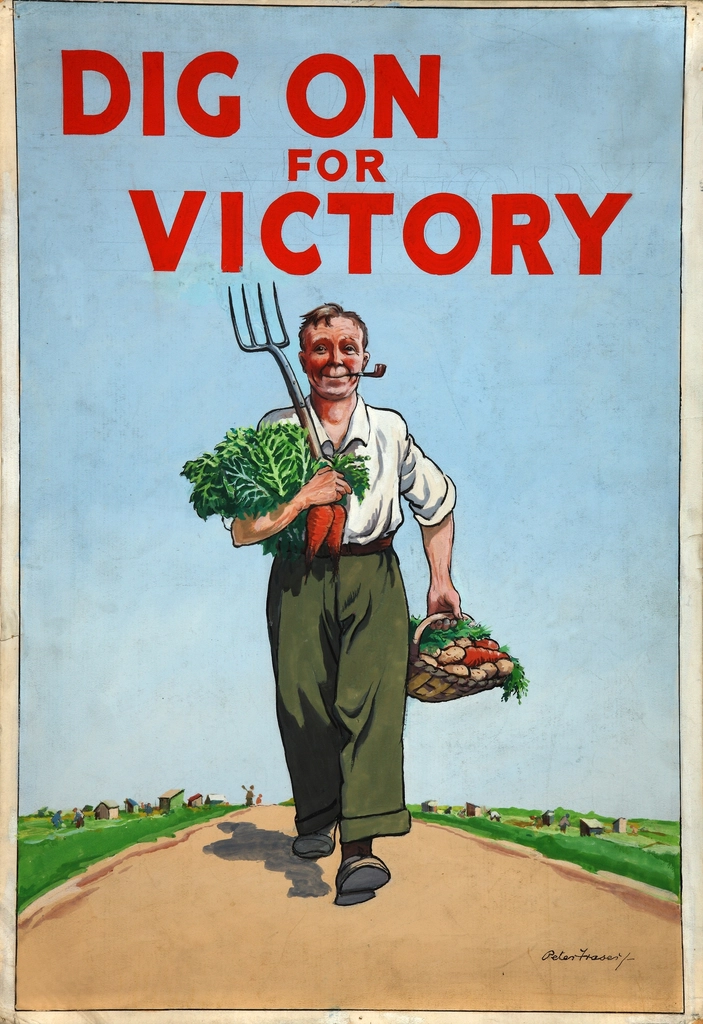
How to make scenes work harder, part I
For a story to succeed, the individual scenes need to work hard. What does that mean and how can you know whether your scenes are working hard enough?
-

Show some spine: the problem with Black Mirror “Bête Noire”
The Black Mirror episode “Bête Noire” has a broken spine. What do I meant by this and how might it have been fixed? Let’s dig in!
-
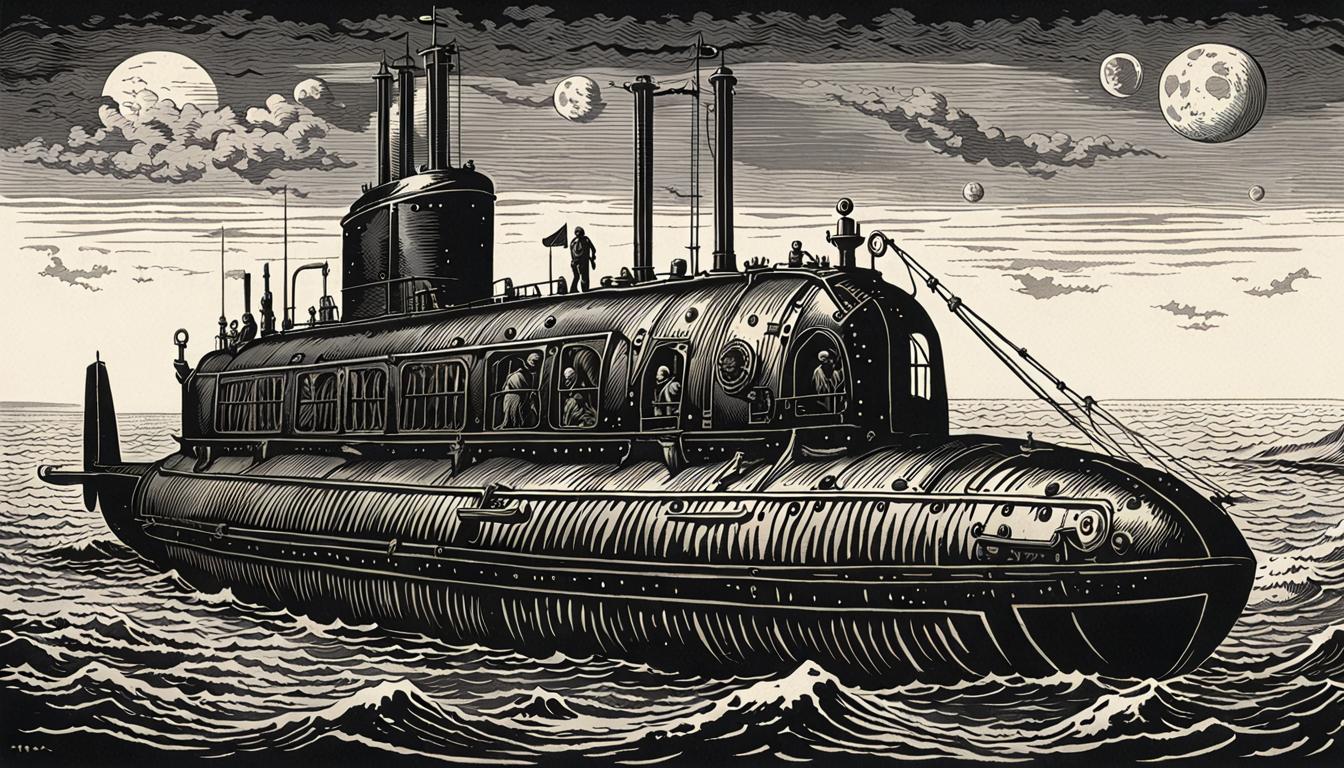
Jules Verne imagined a better future, but not what made it worth imagining
Not having read Jules Verne, I’d hoped to be delighted by an early science fiction “master”. What I found was pretty appalling.
-
How to make the inevitable surprising
Do your characters have a destiny? Or do they make choices? This post discusses how both can be true.
-

How to create subscenes in Scrivener
How to configure a Scrivener project to build scenes from subscenes. And just what is a scene anyway?
-
Naturalistic fantasy: a light touch for weighty tales
My work-in-progress novel, A Philosophy of Air, fits into the sub-genre naturalistic fantasy, which does not yet exist. I’ll define this sub-genre and why I think it’s an area ripe for new stories.