Category: The Poison Sky
-
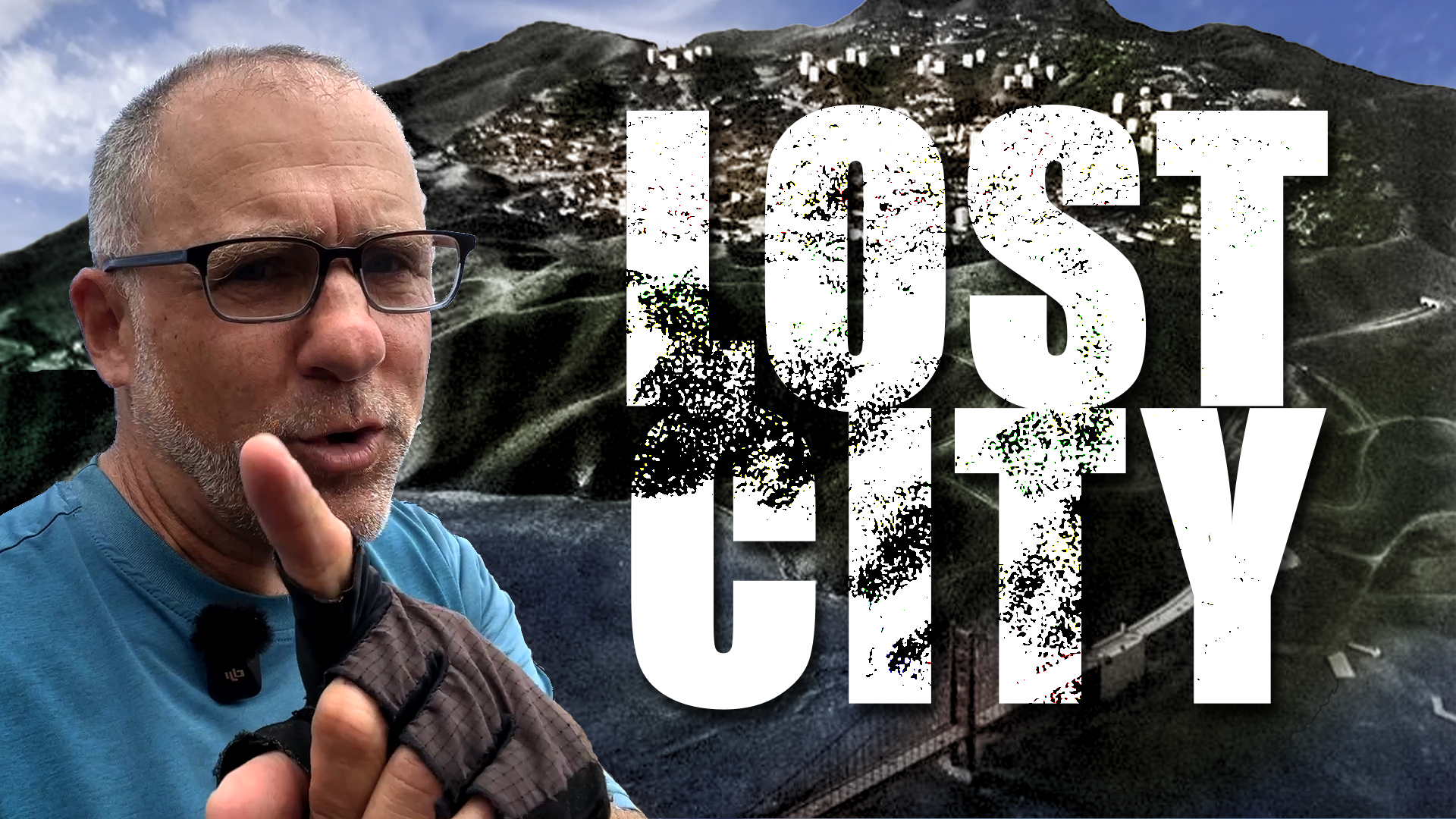
Marincello: what happened to San Francisco’s neighbor to the north?
Marincello was supposed to be a new city just north of the Golden Gate Bridge. Learn how a small band of activists defeated a mega-corporation.
-
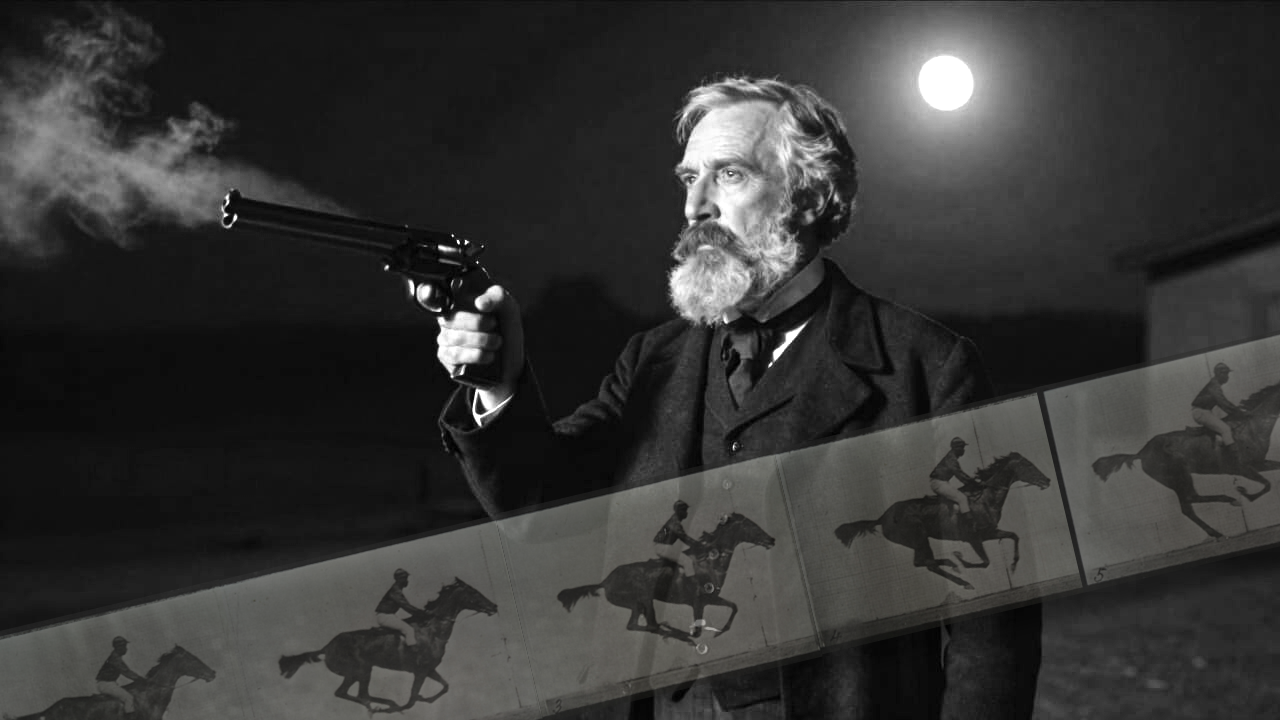
The Muybridge Murder Trial
How Eadweard Muybridge was nearly convicted of murder and hanged before he developed the techniques that led to the creation of cinematography.
-
Why am I afraid to write THE END?
As I reach the end of my novel’s first draft, I face a crisis. Why am I afraid to write THE END?
-
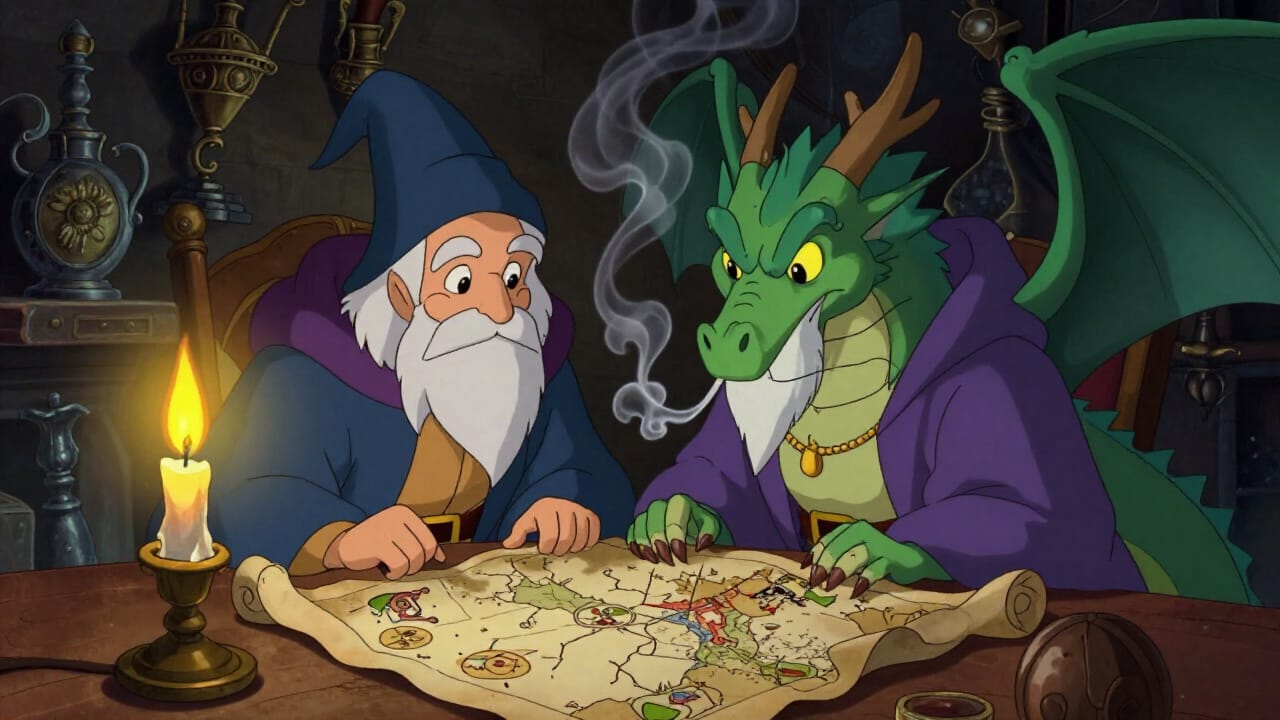
Worldbuilding: back to the map
Sure, fantasy maps are fun, but why do we create them? How do they help both the reader and the writer better understand the story?
-
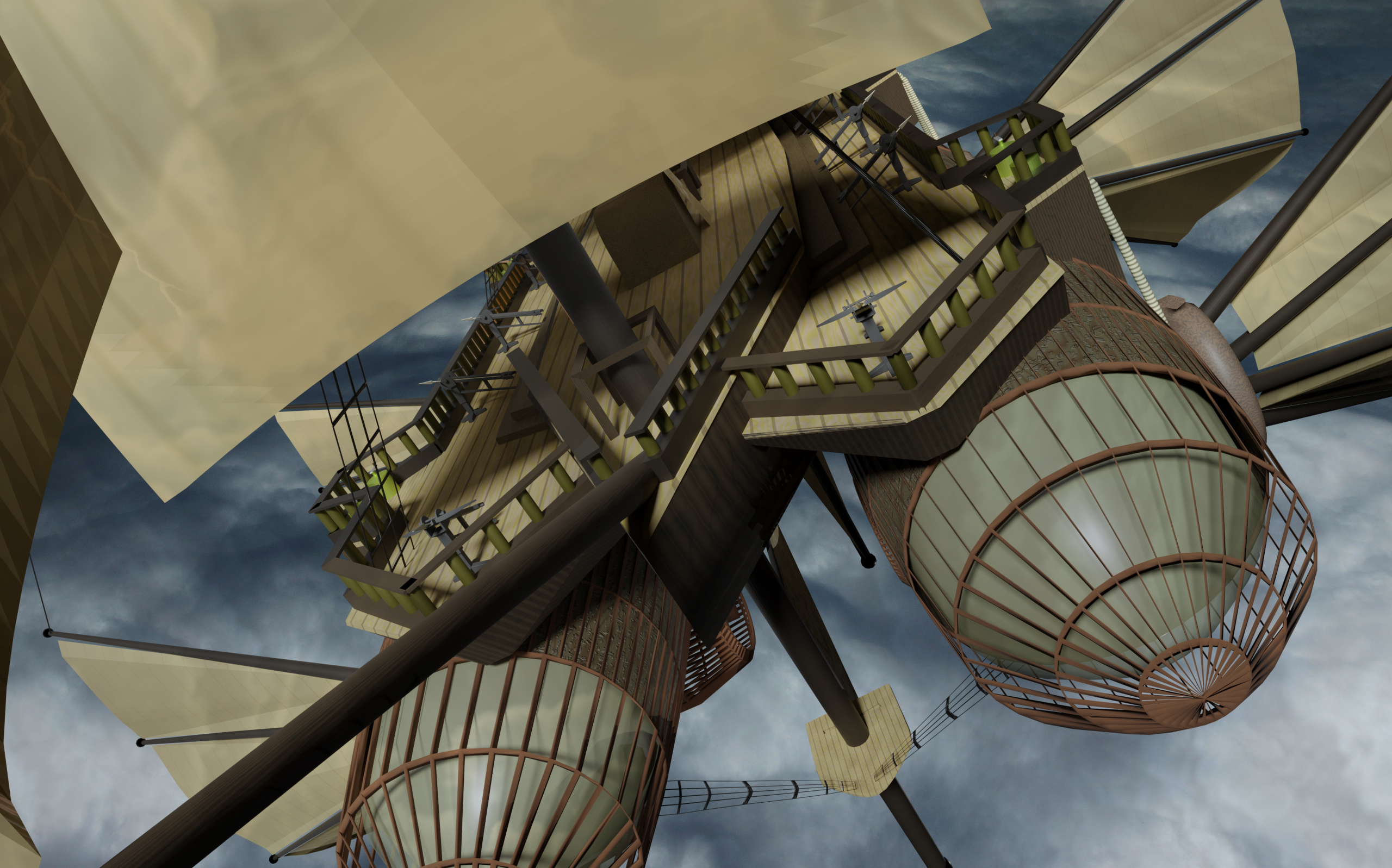
Worldbuilding: walking an airship’s deck boards
Tour the deck boards of an airship from my work-in-progress novel. More important, understand why I created a ship layout in such detail.
-
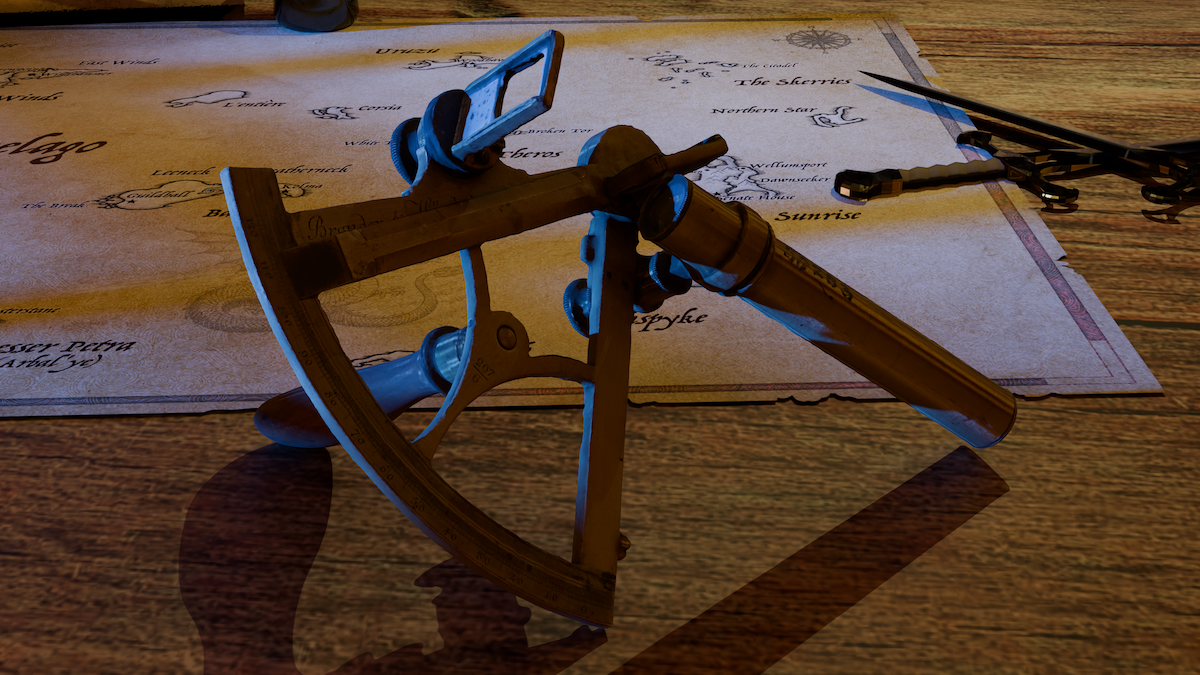
Worldbuilding: navigation
The worldbuilding of “A Philosophy of Air” combines historical navigational tools and techniques with inventions specific to a world of airships.
-
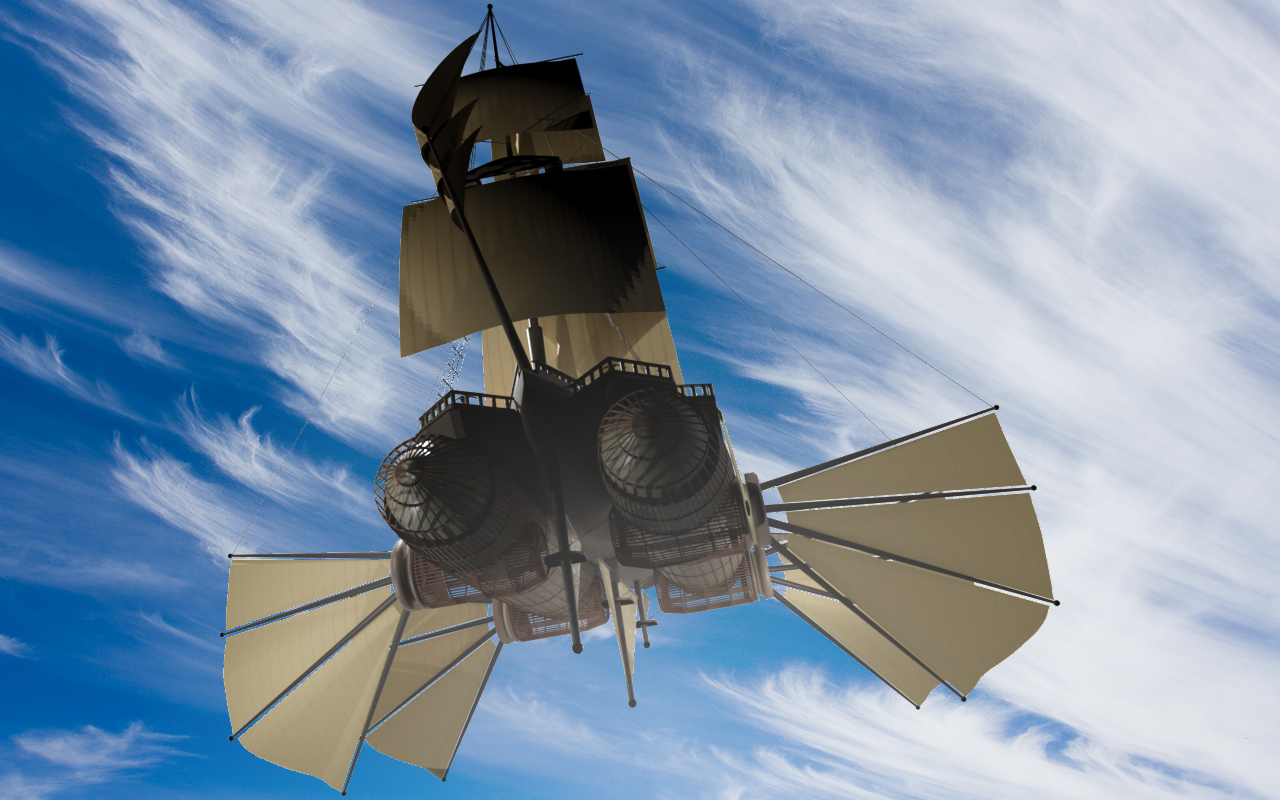
Worldbuilding: How to sail an airship
Airships incorporate traditional and invented sails in “A Philosophy of Air.” Learn about how I thought through this aspect of worldbuilding.
-
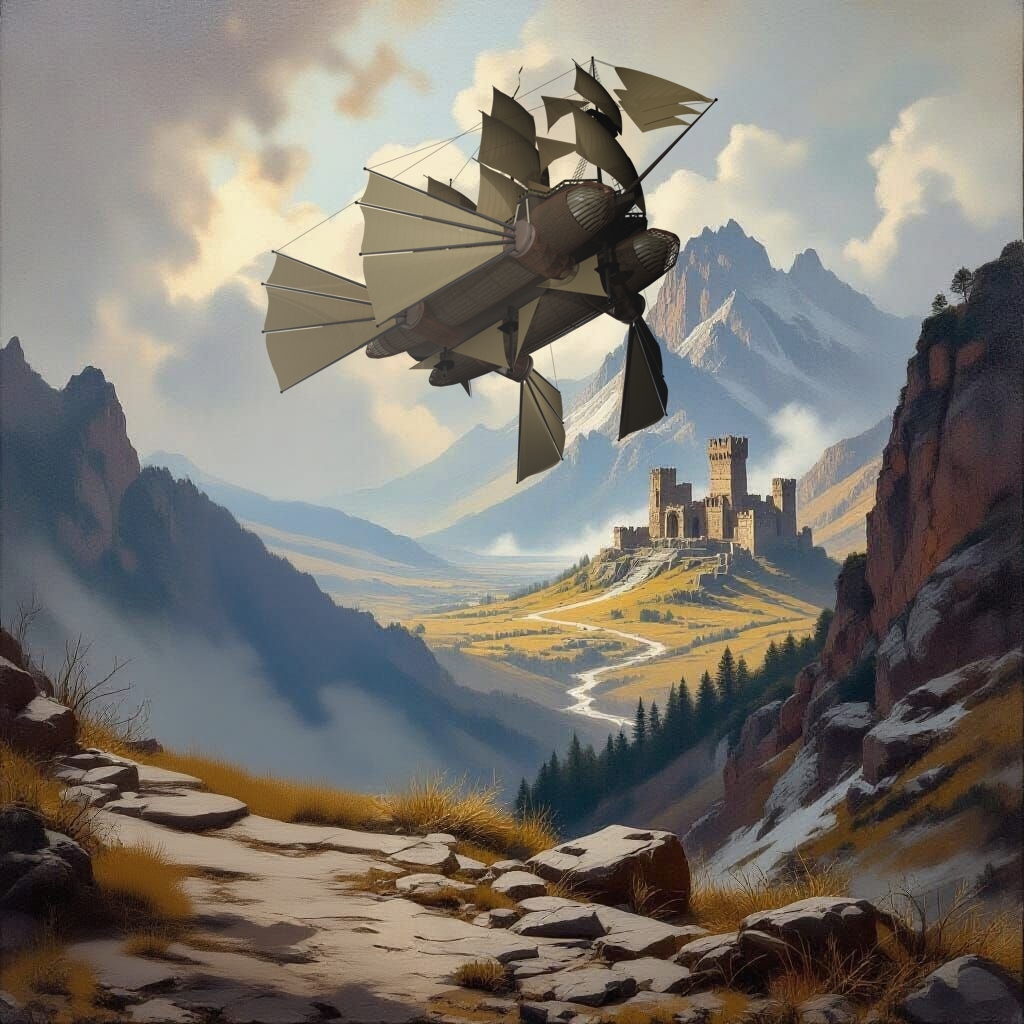
Worldbuilding: how to launch an airship
Continuing my discussion of worldbuilding for “A Philosophy of Air”, I discuss the physics of airships in my world. Part one of two.
-
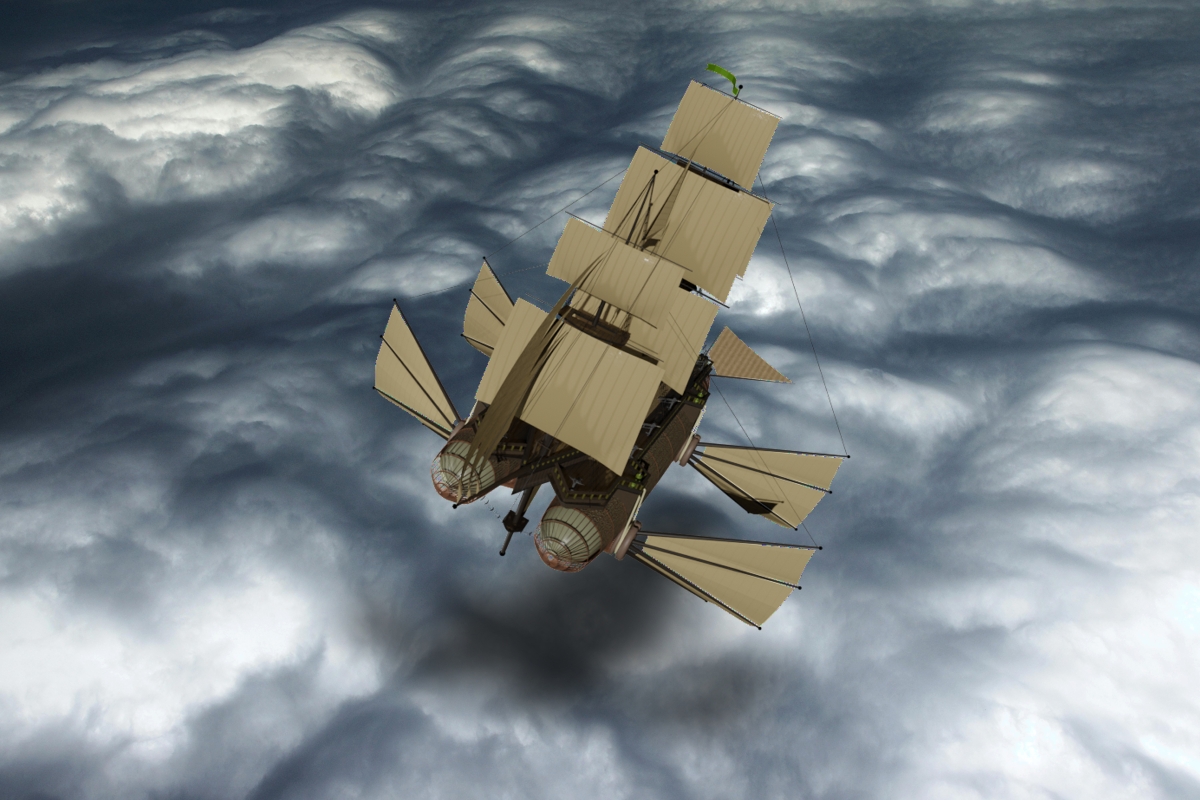
The Sursus
The sursus is a key feature of the world of A Philosophy of Air. Learn how this poison sea affects the world both practically and symbolically.
-
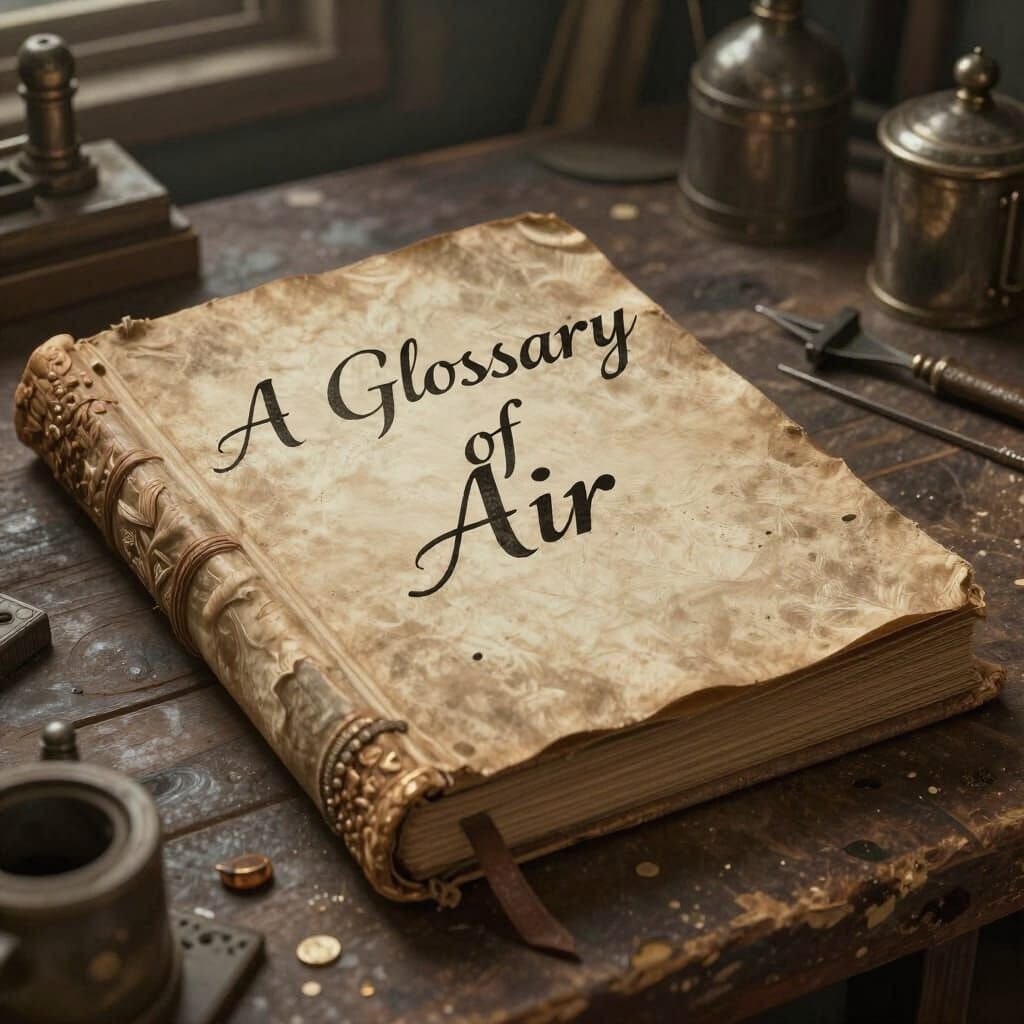
Wordcraft and worldcraft
A Philosophy of Air delves into a rich sea of language, some invented, some sourced from history.