The story of the Westerfeld House
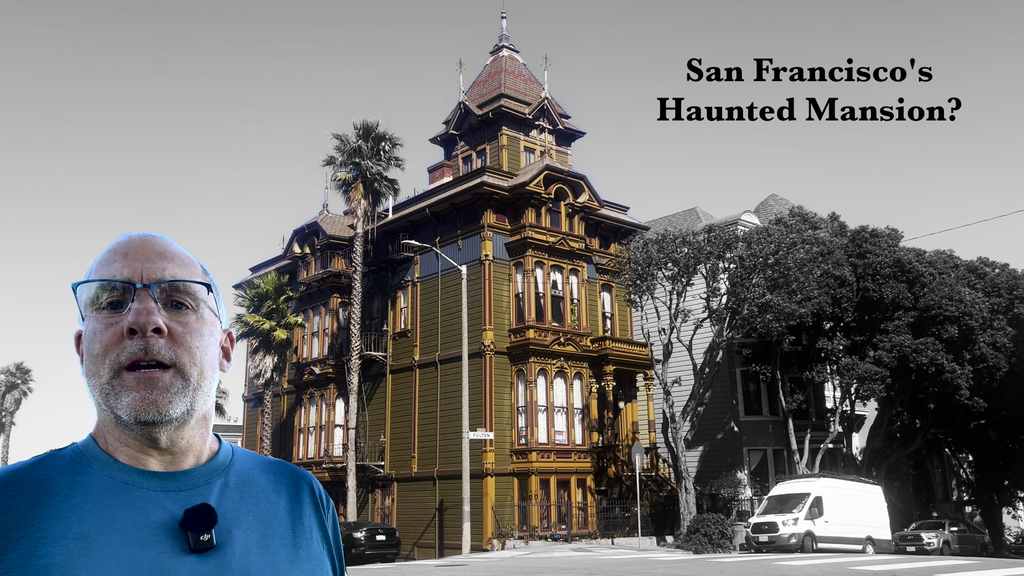
San Francisco’s Alamo Square boasts a view which might be only slightly less famous than the Golden Gate Bridge: the Painted Ladies or Seven Sisters of Postcard Row, a line of seven Victorian homes fronting a glorious view of the San Francisco skyline.
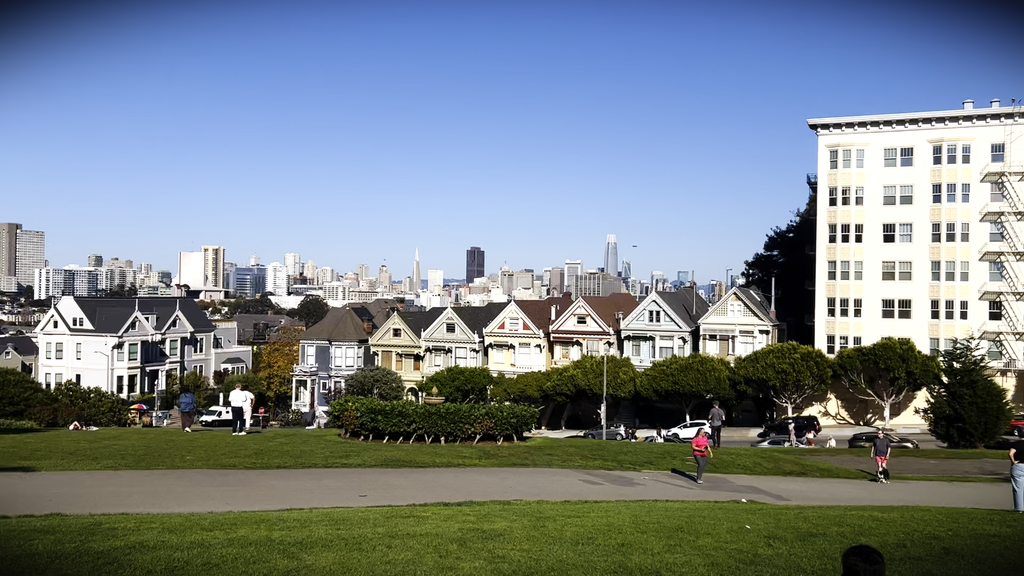
But take a moment to turn your back on this view and travel to the exact opposite end of Alamo Square. There you’ll find a different beauty. A survivor. A house no less attractive, and arguably far more steeped in San Francisco history and lore.
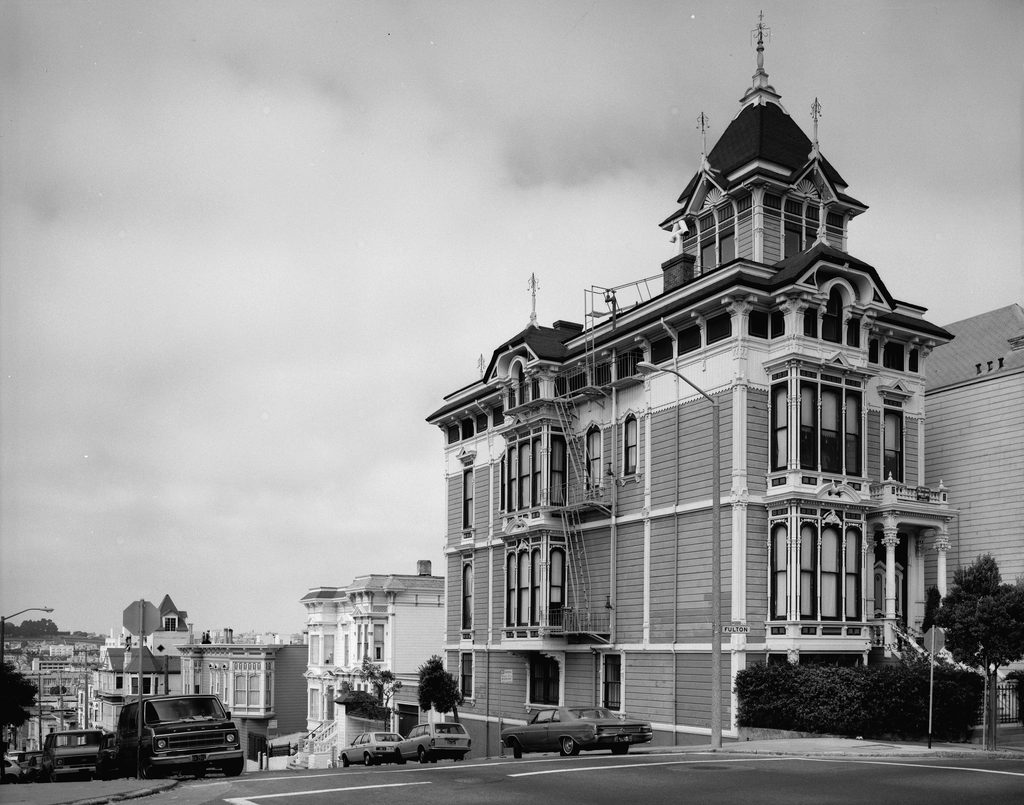
via Wikimedia
Featured in Tom Wolfe’s “Electric Kool-aid Acid Test,” used as a filming location, and as a location for real-life satanic rituals, home to some awesome and awful people, the Westerfeld House has seen the growth and changes of this city, and has a tale for every era.
This is its story.
Alamo Square & Westerfeld House
Not long after the Spanish came to San Francisco Bay, the area we now call Alamo Square became a watering hole for horses on the journey between Mission Dolores and the Presidio. As San Francisco grew, the densely-packed city pushed further and further west.
In 1856, Mayor James Van Ness reserved 12.7 acres around the watering hole as a park. And around that park grew a community of fine Victorian homes, including the Postcard Row homes of Matthew Kavanagh. In 1889, on the far side of the park, William Westerfeld commissioned architect Henry Geilfuss to design him an elaborate, 28-room home in the Eastlake style.
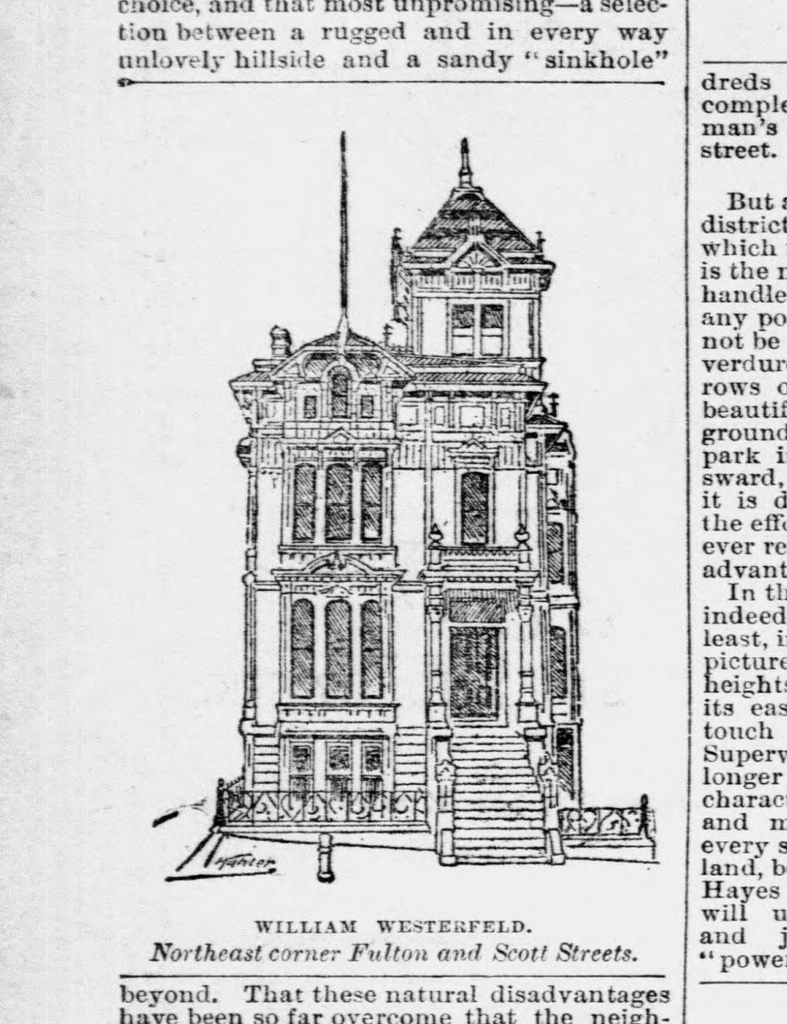
September 29, 1889
The house itself may have been built as a somewhat petty jab at a member of Westerfeld’s own family. According to the home’s current owner, Jim Siegel, “When he built it, legend has it he commissioned the tower to one-up his brother, who had a house on Nob Hill.”
Indeed, William Westerfeld may or may not have been San Francisco’s finest citizen. A baker and confectioner from Bremen, Germany, his obituary describes his generosity and integrity, but his workers went on strike at least twice, in one case to protest working conditions of 14 hours per day, seven days a week.
Regardless, he amassed a considerable fortune and his home — where he died — shows the signs of that wealth.
John J. Mahony
Shortly after Westerfeld’s death, the home was acquired by John J. Mahony who, along with his brother Jeremiah, was known as the builder behind many San Francisco area landmark structures, including the Palace Hotel, the Crocker Building, the James Phelan Building on Market Street, The St. Francis Hotel, and Berkeley’s Greek Theater.
While the house survived the 1906 earthquake and fire, the disaster destroyed some 80% of the city’s buildings. The Mahony brothers participated in reconstruction efforts, including rebuilding at least 20 major structures.
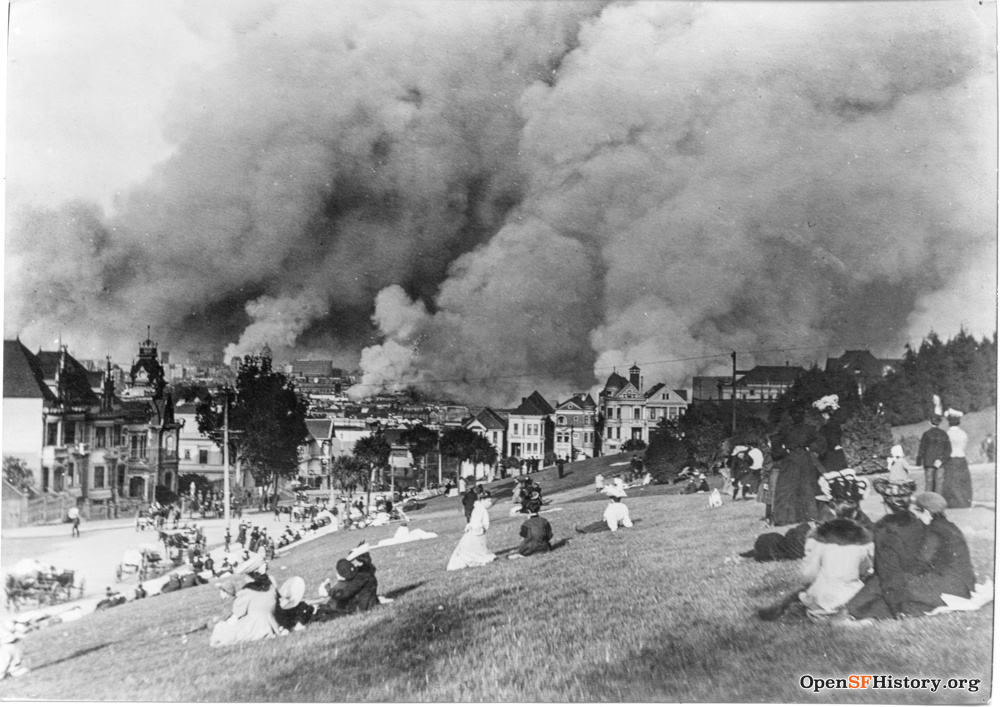
Photographer unknown, 1906
OpenSFHistory / wnp27.4955
The Russian Embassy
But Westerfeld House’s strange history only really kicks in in 1928, when the home was acquired by a group of pro-czarist Russians. With this, the house became the meeting place of the Russian Club, which offered San Francisco’s Russian community a variety of wholesome activities, including music, drama, a library, art exhibits, and a chess club.
But our friendly neighborhood czarists also used the site for less savory activity. They converted the ballroom to a nightclub called “Dark Eyes.” According to some, a colonel of the ex-czar’s army was murdered in one of the rooms, allegedly in a dispute over a woman.
It was from this period that the house acquired its notorious nickname: “The Russian Embassy.”
Jazz
In the 1940s and 50s, property speculators bought up many homes in the neighborhood, converting them from grand mansions to subdivided apartments.
The Westerfeld House was one such conversion. In 1948, developers divided the house into a 14-unit apartment complex, and a number of well-known musicians from the African-American jazz scene lived in the house, including drummers Art “Sparky” Lewis and Jimmy Lovelace. Many believe that saxophonist John Handy also lived here…though later he felt the need to deny having done so.
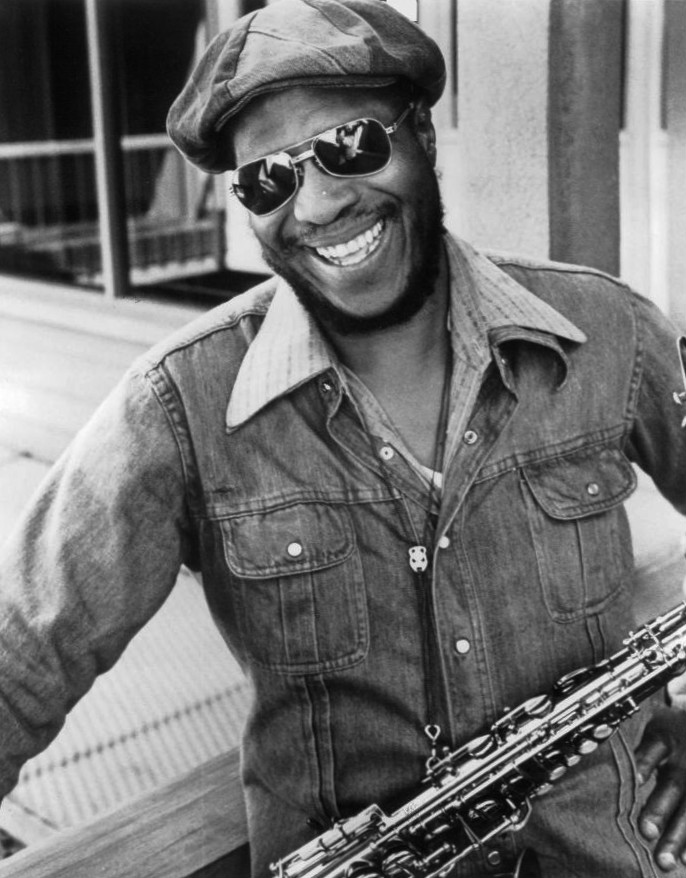
Impulse Records, 1977
via Wikimedia
And maybe Handy had a point…because the house’s reputation goes pretty dark at this point.
Redlining
The Alamo Square neighborhood went through hard times arguably more challenging than any earthquake and fire. By this time, the neighborhood was largely African-American, and the area around the park was subjected to the practice of redlining. Neighborhoods with what were called “undesirable populations” couldn’t get bank loans or mortgages. With residents unable to afford improvements, the area fell into steep decline.
Crime rates and drug abuse rose. Upkeep on homes fell apart. Under Justin Herman and the San Francisco Redevelopment Agency, huge swathes of the neighborhood were bulldozed with more than 15,000 local residents displaced.
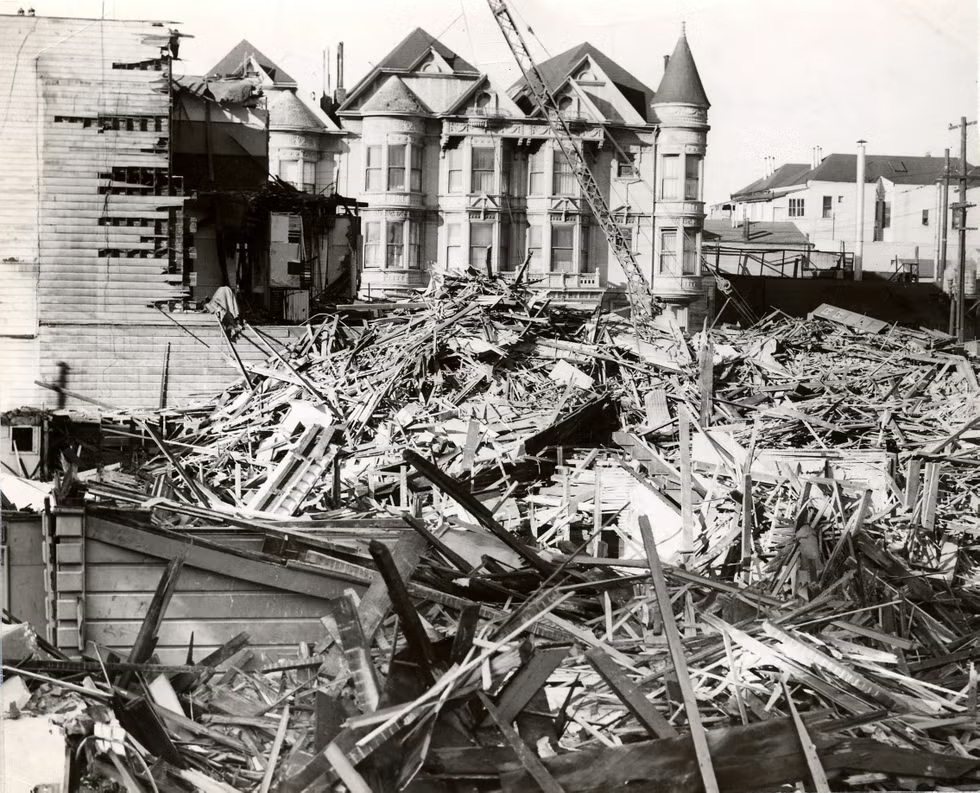
David Johnson, 1957
via AltaOnline.com
A plan that would have lopped off the top of the hill and converted it to a concrete playground was narrowly defeated by the newly created Alamo Square Neighborhood Association.
Communes, Calliope, & Kool-Aid
The Westerfeld house, purchased by Charles Fracchia in 1965, survived all this, but in the now squalid and dangerous neighborhood, it had become as rundown as the neighborhood around it.
A commune called Calliope moved in, a group tightly connected with 60s counterculture, LSD, and the legendary Merry Pranksters. In fact, in his seminal ode to the Merry Pranksters and LSD culture, Tom Wolfe includes Westerfeld House as a setting, featured in The Electric Kool-Aid Acid Test.
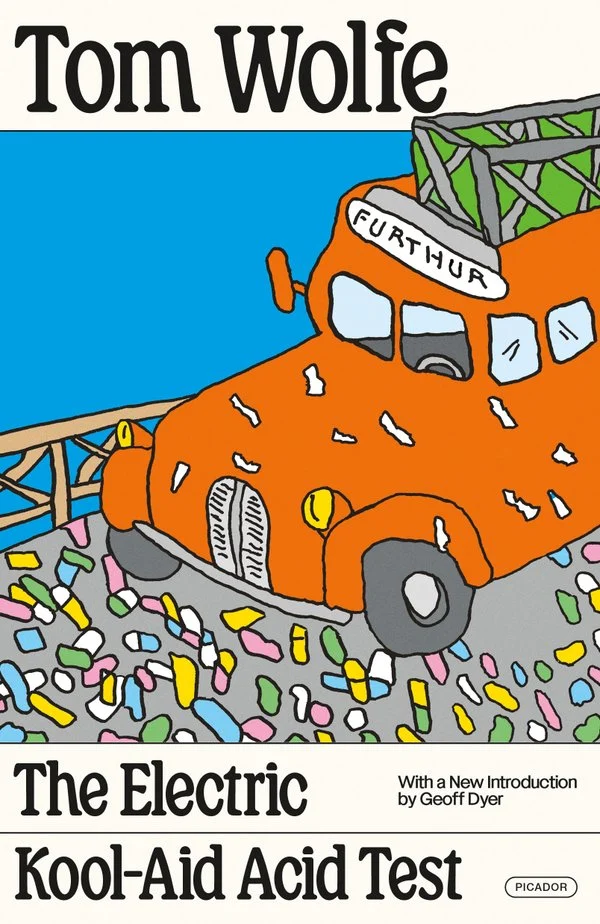
Illustration by Seymour Chwast
via Bookshop.org
“Up at Fulton and Scott is a great shambling old Gothic house, a freaking decayed giant, known as The Russian Embassy. A new group called the Calliope Company lives in there…”
Satanists & “The Family”
Whatever your preconceptions of the 60s scene, the environment had a decidedly dark side.
Among the Westerfeld residents at that time was Anton LaVey, founder of the Church of Satan. LaVey kept a full-grown lion in the house and reportedly practiced satanic rituals both in the ballroom and in the tower.
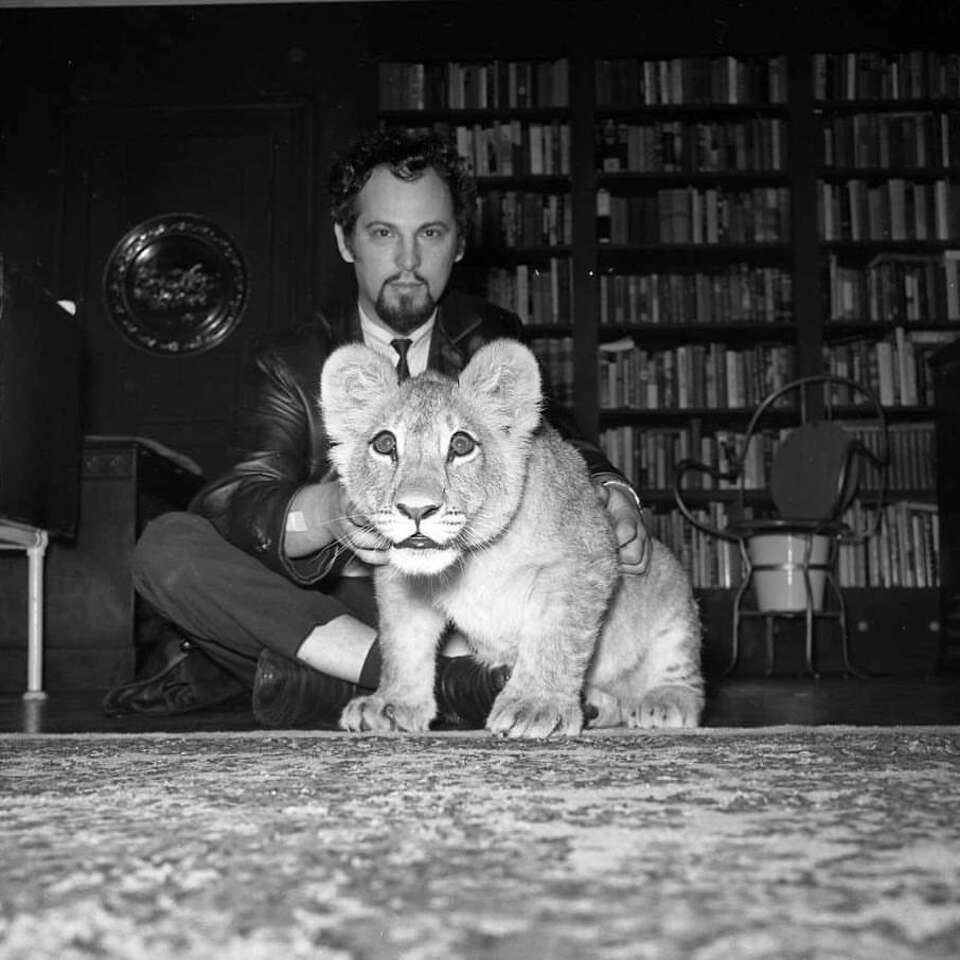
Photographer unknown, late 1960s
via SFGate
Arguably LaVey was more in the vein of a snake oil salesman or a roadside carnie than a truly malevolent force, but the same could not be said of one of his contemporaries.
Bobby Beausoleil lived at Westerfeld House at the same time as LaVey. He and LaVey actually appeared together in a film by another house resident, Kenneth Anger, called “Invocation of My Demon Brother.” It’s a film whose poignancy rests almost entirely on knowing who’s in it and/or consuming the right type of psychedelics.
But Beausoleil — while a talented musician — wasn’t just some sideshow agitator. As part of Charles Manson’s Helter Skelter murder spree in 1969, he participated in the murder of Gary Hinman. He was sentenced to death for the murder, but the sentence was commuted to life in prison, where he remains to this day.
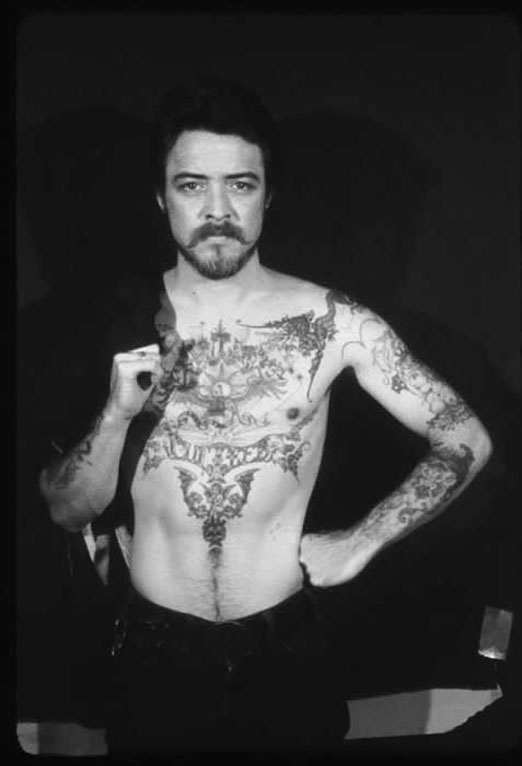
Photographer and date unknown
Via bardomethodology.com
The Family Dog
After LaVey, Beausoleil, and Anger, a new commune moved in, bringing with it a less harrowing period for the house. The music promoter Chet Helms and his organization The Family Dog operated here while staging music events at the Avalon Ballroom. Accounts put lots of well-known figures at the house at this time, including members of the Grateful Dead, and Big Brother and the Holding Company.
Jim Siegel
It’s possibly hard to believe, but after all the drama of the Westerfeld House’s history, today it brims with positive energy.
Jim Siegel, who purchased the home in 1986, got involved in the Haight Ashbury scene in the early 70s, including working with the Haight-Ashbury Switchboard, which helped provide essential services like finding safe lodgings, as well as helping hippie kids find all kinds of free support.
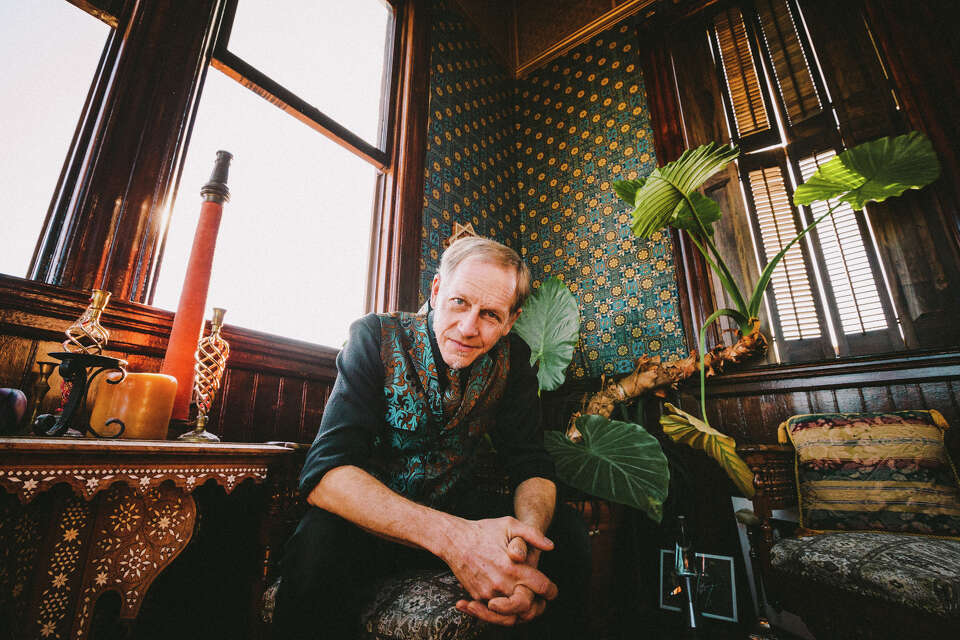
Robby Durler, 2020
via SFGate
Siegel had an interest in Victorian architecture.
“I have been fascinated with everything Victorian since the 1960s when I watched the Addams Family as a boy.”
In 1976, when he was 19, Siegel purchased his first home, a two-unit building in the Dogpatch for just $17,000. His mortgage was $120/month (which he split with a friend)…less than he’d been spending for rent at the time. Eventually, he renovated the house and resold it.
“Very few people valued Victorians at that time,” said Siegel. “They were mostly crumbling in what were then rough parts of town. The city was tearing them down blocks at a time, making way for new developments.”
Siegel did this several more times, but he always had his eyes on the grandest of them all, the Westerfeld House.
Siegel seems to connect more to Addams Family kooky than spooky.
“The occult happenings in the house were of little interest to me but to be on the safe side I had the monks from the Hartford Street Zen Center do a cleansing and a blessing for the house when I bought it…”
A survivor
It’s Halloween season as I write this, and I’m supposed to be telling spooky stories. And of course most stories of the Westerfeld House zero in on the lurid details of Satanists, murderers, and murders. But I see it differently.
Of the 50,000 or so Victorian and Edwardian homes built in San Francisco, perhaps 10 to 15,000 remain today. They’ve been destroyed by earthquake and fire, by economics, racism, and neglect. Some that do exist are barely recognizable. The Westerfeld House has withstood all that. The house is a survivor. Scarred, certainly…Siegel says you can still find occult symbols and markings from lion claws…but still standing, intact and beautiful, despite all its trials.
That, to me, is quintessentially San Franciscan.
I write about things which interest me, including San Francisco and my work-in-progress novel. Please consider subscribing.
Leave a Reply